Unlocking Visual Communication with a Diverse Set of Line Icons
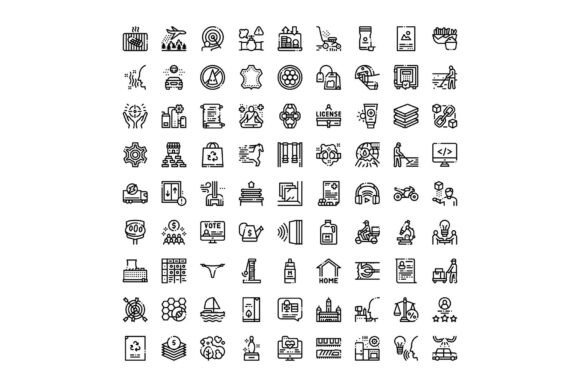
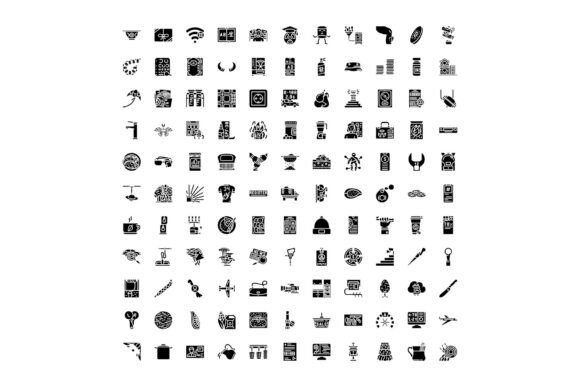
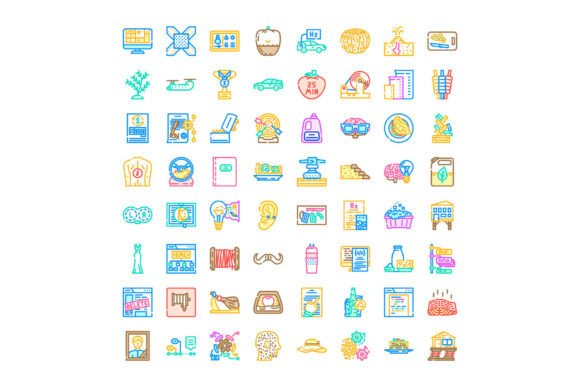
In a digital landscape where clarity and speed are paramount, visual elements like icons play a crucial role in how users interact with apps, websites, and design projects. A collection of diverse line icons offers a flexible, scalable solution for modern creators looking to convey meaning quickly and effectively across platforms. These outlined vector icons, neatly arranged in a grid layout, span a wide range of categories—from technology and health to food, nature, and everyday objects—making them ideal for a variety of design needs.
Why Icon Diversity Matters in Modern Design
Designers today are tasked with creating interfaces that are not only functional but also inclusive and globally relevant. A diverse set of outlined vector icons supports this goal by offering visual representations that reflect the breadth of human experience and activity. Whether it's a mobile app aiming to serve users across cultures or a website catering to multiple industries, having access to a wide range of icon styles and subjects enhances both usability and engagement.
For instance, a health and wellness platform might use icons related to meditation, nutrition, and physical activity to guide users through content. Meanwhile, an educational app could leverage icons representing books, calculators, and science tools to help learners navigate different subject areas. The flexibility of a well-curated icon set ensures that these visual cues remain consistent and recognizable, regardless of the context.
Aligning with Current Design and Technology Trends
As user interfaces continue to evolve, so too do the visual languages that define them. Minimalism, flat design, and the increasing use of dark mode have all influenced how icons are designed and implemented. Line icons, particularly those that are outlined and scalable, fit seamlessly into these trends. Their clean, uncluttered appearance ensures legibility across devices and screen sizes, while their vector format allows for easy customization and adaptation to different color schemes and design systems.
Moreover, the shift toward responsive and adaptive web design has made scalable assets like vector icons more valuable than ever. Unlike raster images, vector icons can be resized without losing quality, making them ideal for everything from mobile apps to large-screen dashboards. This scalability also supports accessibility, ensuring that visual elements remain clear and usable for people with varying levels of visual acuity.
Meeting the Needs of Designers, Developers, and Businesses
Professionals across disciplines—from UI/UX designers to front-end developers—benefit from a collection of diverse line icons that can be easily integrated into various frameworks and design tools. Whether working in Figma, Sketch, Adobe XD, or directly in code using SVGs, having a comprehensive icon library streamlines the design process and reduces the need to source or create individual icons from scratch.
For businesses, investing in a cohesive icon set contributes to brand consistency and user experience. Icons serve as visual shortcuts that help users navigate complex interfaces with minimal cognitive load. A retail website, for example, might use icons to represent categories like shipping, returns, and customer service, allowing shoppers to find information quickly without reading lengthy text. Similarly, productivity tools often use icons to represent actions like saving, sharing, or exporting, improving efficiency and reducing onboarding time.
Practical Use Cases Across Industries
- Technology: App developers can use tech-related icons such as cloud storage, Wi-Fi signals, and device connectors to visually communicate features and settings.
- Health and Wellness: Icons representing exercise, hydration, and mindfulness help users track habits and navigate wellness platforms with ease.
- Food and Beverage: From cutlery to fruits and cooking utensils, food-themed icons enhance user experience in recipe apps, restaurant menus, and grocery delivery services.
- Nature and Environment: Icons depicting trees, water, and animals support sustainability initiatives and outdoor-related apps, reinforcing environmental awareness.
- Everyday Life: Common objects like clocks, keys, and shopping bags are essential for organizing information in personal productivity and lifestyle apps.
How Icon Sets Are Evolving to Meet New Demands
The demand for more inclusive and culturally aware design has pushed iconography to evolve beyond generic symbols. Modern icon sets now reflect a broader range of skin tones, gender expressions, and cultural practices. This evolution is not just about aesthetics—it's about ensuring that users feel seen and understood through the interfaces they interact with daily.
Additionally, as design systems become more sophisticated, there's a growing preference for modular, system-ready icon sets that can be updated and maintained efficiently. Designers are increasingly looking for icon libraries that offer variants (such as filled vs. outlined), animation-ready versions, and compatibility with design tools and codebases. A diverse set of outlined vector icons displayed in a grid format meets these needs by offering a structured, scalable, and searchable resource that can grow with a project.
Choosing the Right Icon Set for Your Project
When selecting a collection of line icons, consider the following factors to ensure long-term usability and scalability:
- Comprehensiveness: Does the set include icons across multiple themes and use cases? Look for sets that cover technology, health, food, nature, and everyday objects.
- Consistency: All icons should follow the same visual style—line weight, stroke style, and perspective—to maintain a cohesive look.
- Format: Vector formats like SVG are ideal for scalability, while PNG options may be necessary for certain platforms or legacy systems.
- Customization: Can you easily adjust colors, stroke widths, or add animations? The best icon sets are adaptable to different design systems and themes.
- Licensing: Make sure the icon set you choose is available under a license that aligns with your intended use, whether personal, commercial, or open source.
Final Thoughts on the Value of Visual Clarity
In a world where attention spans are short and digital experiences are increasingly visual, the right icons can make the difference between a confusing interface and an intuitive one. A collection of diverse line icons is more than just a design asset—it's a tool for communication, organization, and emotional connection. By offering a wide range of symbols that reflect the complexity of modern life, these icon sets empower creators to build interfaces that are not only functional but also expressive and inclusive.
Whether you're designing a mobile app, building a website, or crafting a presentation, investing in a thoughtfully curated icon library can streamline your workflow and elevate your final product. As design trends continue to shift toward minimalism, accessibility, and cross-platform compatibility, the importance of scalable, diverse iconography will only continue to grow.