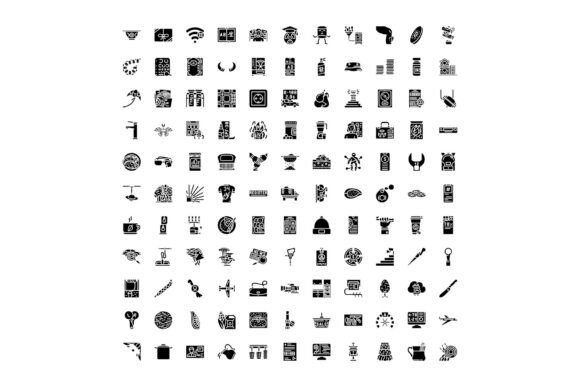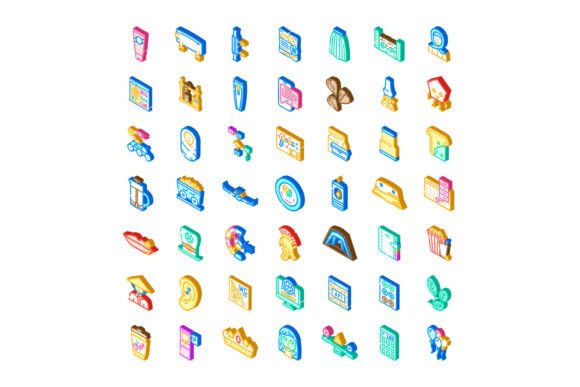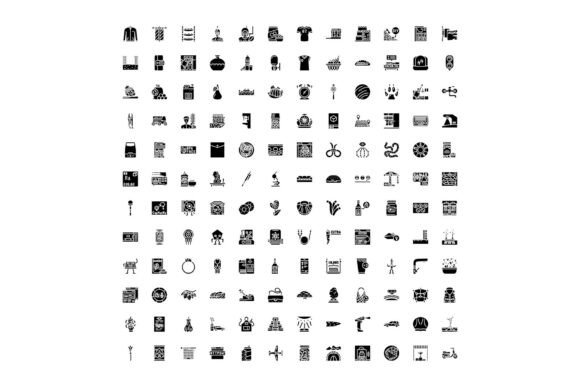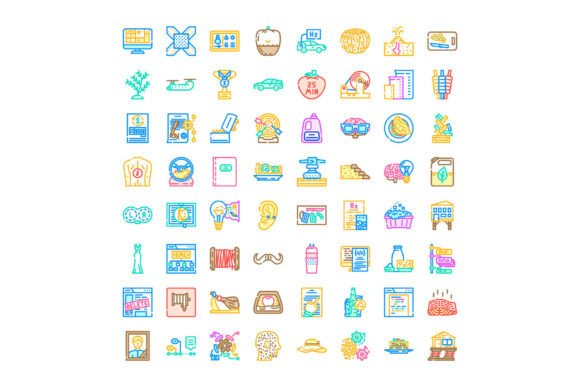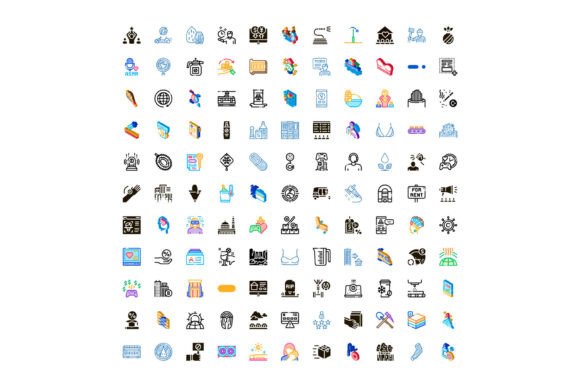
Unlocking Creativity with a Diverse Collection of Many Modern Digital Icons
The Role of Digital Icons in Today’s Visual Communication
In the digital age, visual communication plays a pivotal role in conveying complex ideas quickly and effectively. Icons, as compact visual symbols, have become essential tools across websites, applications, and digital interfaces. A Diverse Collection of Many Modern Digital Icons offers an expansive visual vocabulary that spans industries, functions, and design aesthetics. These icons are not just decorative elements; they serve as intuitive guides that enhance user experience and streamline interaction.
Whether you're designing a mobile app interface, a dashboard for a SaaS platform, or an infographic for a research report, having access to a comprehensive set of digital icons ensures consistency and clarity. The modern digital landscape demands flexibility, and a well-curated icon library meets that need by providing scalable, adaptable assets for any project.
Understanding the Scope of a Diverse Icon Library
A Diverse Collection of Many Modern Digital Icons typically includes thousands of symbols covering a wide array of themes and use cases. From basic UI elements like buttons and navigation menus to more specialized sets such as e-commerce, education, healthcare, and environmental icons, the breadth of these libraries is staggering.
These collections often include:
- Common interface elements (menus, settings, notifications)
- Industry-specific symbols (medical, finance, tech)
- Activity-based icons (travel, sports, fitness)
- Data visualization components (charts, graphs, timelines)
- Emotive and social icons (smileys, avatars, gestures)
Each icon is designed with scalability in mind, often available in vector formats like SVG or as web fonts, ensuring they remain sharp and clear at any size. This adaptability makes them ideal for responsive design and multi-device compatibility.
Design Characteristics That Set Modern Icon Sets Apart
Modern digital icon collections are not just about quantity—they emphasize quality, consistency, and design language. Key characteristics include:
- Consistent Visual Style: Whether minimalist, flat, or material-inspired, a cohesive design language ensures icons work well together across interfaces.
- Scalability: Vector-based icons maintain clarity across devices, from smartwatches to large desktop monitors.
- Customizability: Many libraries allow for color, stroke weight, and style adjustments to match brand guidelines or design systems.
- Accessibility: Thoughtful design choices ensure icons remain legible and understandable for users with varying visual abilities.
These characteristics make a Diverse Collection of Many Modern Digital Icons not only a design asset but also a strategic tool for building inclusive and user-friendly experiences.
Real-World Applications Across Industries
One of the most compelling aspects of a diverse digital icon set is its versatility. Designers, developers, and content creators in various fields find these icons indispensable. Let’s explore how different industries leverage them:
1. Web and Mobile App Development
Icons are foundational in UI/UX design. They help users navigate apps, recognize functions, and interact with features intuitively. For example, a messaging app might use a speech bubble icon for chat, a bell for notifications, and a gear for settings. A rich icon set allows developers to maintain visual harmony while ensuring usability.
2. E-Commerce and Retail
In online shopping platforms, icons help streamline the user journey. Cart icons, wishlist stars, and delivery trucks are just a few examples that guide users through the purchasing process. With a Diverse Collection of Many Modern Digital Icons, retailers can present product features, shipping options, and customer service tools in a visually engaging way.
3. Education and E-Learning
Educational platforms benefit from icons that represent subjects, progress indicators, and interactive elements. A book icon for courses, a graduation cap for certifications, or a play button for video lessons enhance the learning experience without overwhelming users with text.
4. Healthcare and Wellness
Medical apps and wellness platforms use icons to represent symptoms, treatments, and health metrics. Clear, recognizable symbols help users quickly access information, especially in time-sensitive or emergency scenarios.
5. Infographics and Data Visualization
Infographics rely heavily on icons to simplify complex data. Whether illustrating population trends, financial reports, or scientific findings, icons make information more digestible and visually appealing. A well-stocked icon library allows designers to mix and match elements that align with the data’s context.
Choosing the Right Icon Set for Your Needs
With so many options available, selecting the right collection requires careful consideration. Here are some factors to keep in mind:
1. Licensing and Usage Rights
Ensure the icons you use are properly licensed for your intended purpose. Some collections are free for personal use but require a commercial license for business applications. Always verify usage rights to avoid legal issues down the line.
2. Format and Compatibility
Check the available file formats—SVG, PNG, EPS, or font-based icons. SVG is often preferred for web use due to its scalability and editability. If you're working within a design tool like Figma, Sketch, or Adobe XD, confirm the icon set is compatible with your workflow.
3. Customization Options
Look for icon sets that offer customization features. Being able to adjust colors, line thickness, or icon styles ensures better integration with your brand’s visual identity.
4. Update Frequency and Support
Some icon libraries are actively maintained and updated with new icons, while others remain static. Choose a collection that receives regular updates to stay current with design trends and emerging use cases.
Enhancing User Experience Through Thoughtful Icon Use
Icons do more than just look good—they improve how users interact with digital products. When used thoughtfully, they:
- Reduce Cognitive Load: By replacing text with visual symbols, icons make interfaces more intuitive and easier to navigate.
- Improve Accessibility: Well-designed icons can assist users with reading difficulties or language barriers by conveying meaning through visuals.
- Boost Engagement: Visually appealing interfaces keep users interested and encourage deeper interaction with content.
- Support Multilingual Audiences: Icons transcend language, making them ideal for global platforms and applications.
However, it’s important to avoid overuse or misuse. Icons should be universally recognizable or paired with labels to prevent confusion. A Diverse Collection of Many Modern Digital Icons provides the flexibility to choose the right symbol for each context, ensuring clarity and effectiveness.
Staying Ahead with Emerging Trends in Icon Design
As digital interfaces evolve, so do icon design trends. Some of the current directions include:
- Dynamic Icons: Animated or interactive icons that respond to user actions, adding a layer of engagement.
- Colorful and Expressive Styles: Departing from minimalism, some designers are embracing vibrant colors and illustrative details.
- System-Integrated Icons: Icons that adapt to dark mode, operating system themes, or user preferences automatically.
- Micro-Interactions: Subtle animations that enhance the user experience without being distracting.
By staying informed about these trends and leveraging a Diverse Collection of Many Modern Digital Icons, designers can ensure their work remains fresh, relevant, and aligned with user expectations.
Conclusion: A Valuable Asset for Any Digital Project
In summary, a Diverse Collection of Many Modern Digital Icons is more than just a design toolkit—it’s a powerful resource that enhances communication, usability, and aesthetics across digital platforms. Whether you're a developer building the next big app, a marketer creating engaging infographics, or an educator designing online learning materials, the right icons can make a significant difference.
By understanding the characteristics, applications, and best practices for using digital icons, professionals and creators can harness their full potential. As digital experiences continue to evolve, having access to a comprehensive, well-designed icon library ensures that your work remains visually compelling, functionally effective, and universally accessible.