Stone User Interface Buttons for Game De: Crafting Rugged Interfaces for Adventure-Themed Projects
For developers and designers working on adventure-themed video games or web projects, finding the right graphical elements can make all the difference in creating an immersive experience. Stone User Interface Buttons for Game De offer a versatile and rugged solution tailored for those looking to build interfaces that feel organic, durable, and thematically consistent.
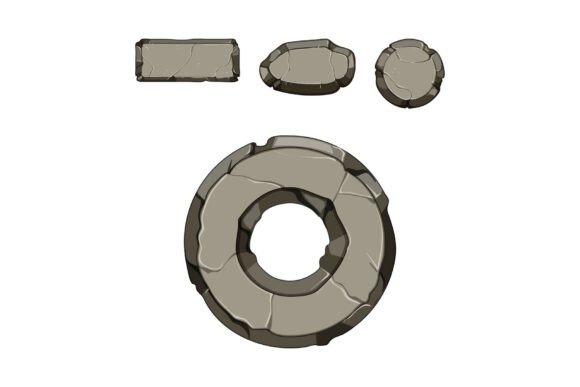
These UI elements are specifically designed to emulate the look and feel of natural stone, complete with textures, irregular edges, and a sense of weight that fits perfectly within fantasy, survival, or exploration-based games. Whether you're building a mobile app, a web theme, or a full-scale video game, integrating Stone User Interface Buttons for Game De can elevate your project’s visual language while maintaining usability.
Challenges in UI Design for Adventure-Themed Projects
Designing a user interface for adventurous or rugged themes presents unique challenges. Standard UI elements often feel out of place in environments that are meant to be rough, ancient, or untamed. Designers must balance functionality with aesthetics to ensure that buttons and controls remain intuitive without breaking immersion.
- Thematic Consistency: The interface must align with the game or website's visual tone.
- Usability: Even the most visually stunning buttons are useless if players or users can’t interact with them easily.
- Adaptability: UI elements should work across different screen sizes and resolutions without losing clarity or function.
This is where Stone User Interface Buttons for Game De shine. They are not just decorative assets; they are purpose-built tools that address these very concerns, helping designers craft interfaces that feel both rugged and responsive.
How Stone User Interface Buttons for Game De Solve Design Challenges
Each button in the Stone User Interface Buttons for Game De set is crafted with durability and clarity in mind. Featuring a variety of shapes—from rectangular and rounded to uniquely jagged forms—they allow for flexible integration into different design systems. The inclusion of a circular frame option further expands the creative possibilities, enabling radial menus, compass interfaces, or inventory systems that feel at home in a wilderness or ancient setting.
These assets are typically scalable and come with transparent backgrounds, making them easy to layer into existing UI frameworks. Whether you're designing a quest log, a crafting menu, or a survival HUD, these buttons can be customized to suit your project’s specific needs without compromising performance.
Practical Applications Across Platforms
One of the major strengths of Stone User Interface Buttons for Game De is their adaptability across different platforms and design contexts. Here are a few practical applications where these UI elements can make a significant impact:
- Mobile Adventure Games: Buttons must be large enough for touch input while maintaining a thematic look. Stone UI buttons provide the rugged texture needed without sacrificing usability.
- Web Themes for Outdoor Brands: Companies focused on outdoor gear, survival training, or adventure tourism can use these buttons to reinforce brand identity through their website UI.
- RPG and Fantasy Video Games: These genres often require interfaces that feel magical or ancient. Stone buttons can be integrated into spellbooks, inventory systems, or character selection screens.
- Interactive Educational Tools: For educational apps centered around geology, archaeology, or survival skills, these UI elements can enhance the learning experience by reinforcing the subject matter visually.
Recommendations for Implementation
When incorporating Stone User Interface Buttons for Game De into your project, consider the following best practices to ensure both aesthetic and functional success:
- Pair with Complementary Assets: Look for matching UI elements like health bars, maps, or icons that share the same visual style to maintain consistency.
- Use Layered Effects: Adding subtle drop shadows or glow effects can help buttons stand out against complex backgrounds without breaking immersion.
- Optimize for Performance: Ensure that the assets are optimized for your target platform, especially if you're working with mobile or web-based games.
- Test for Accessibility: Make sure that button colors and contrasts are accessible to users with visual impairments. Consider adding outlines or audio cues for touch interactions.
Different Approaches Based on User Needs
Designers and developers may approach the integration of Stone User Interface Buttons for Game De in different ways depending on their goals and technical expertise:
- Beginners: May use the buttons as-is, integrating them directly into a game engine like Unity or Godot with minimal customization.
- Intermediate Users: Might tweak the colors, add animations, or combine them with other UI kits to create a more dynamic interface.
- Advanced Developers: Could modify the base textures or use shader effects to create responsive buttons that change appearance based on player input or environmental factors.
Regardless of skill level, the flexibility of Stone User Interface Buttons for Game De ensures that they can be adapted to fit a wide range of creative visions and technical constraints.
Final Thoughts: A Versatile Tool for Immersive Design
In the world of game development and web design, the smallest details can have a big impact on user experience. Stone User Interface Buttons for Game De provide a practical yet visually compelling way to enhance adventure-themed projects without sacrificing functionality. By offering a rugged aesthetic that aligns with survival, fantasy, and exploration genres, these UI elements help bridge the gap between immersion and interactivity.
Whether you're building a mobile game, a themed website, or a desktop RPG, incorporating Stone User Interface Buttons for Game De into your design toolkit can help you create interfaces that feel as adventurous as the content they support. With thoughtful implementation and a focus on usability, these buttons can become a cornerstone of your project’s visual identity.