Minimal Line Art Icons for Flat Design Projects
Understanding Minimal Line Art Icons in Flat Design
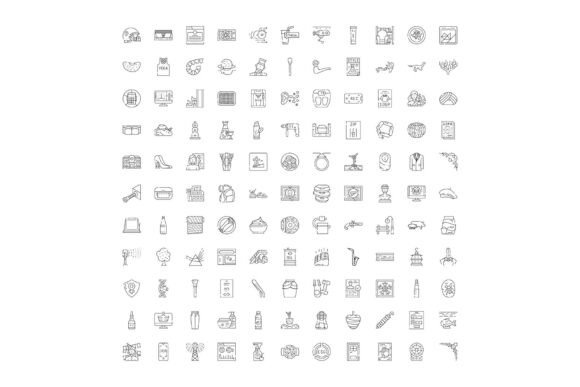
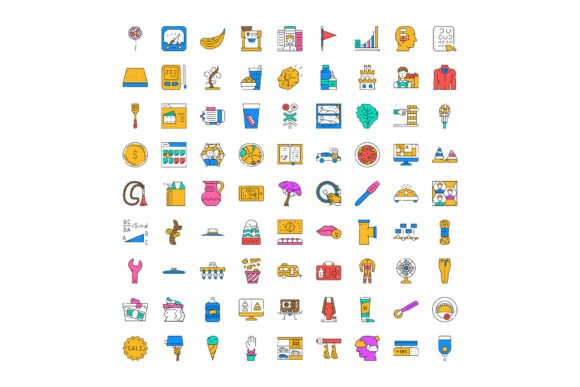
Minimal line art icons are simplified, two-dimensional illustrations that convey meaning through clean lines and basic shapes. In flat design, these icons are stripped of shadows, gradients, and textures, resulting in a sleek, modern aesthetic. The Minimal Line Art Icons Flat Design Conce offers a versatile set of icons that represent everyday objects, abstract ideas, tools, and digital elements—all on a clean white background.
These icons are not only visually appealing but also highly functional. Their simplicity allows them to blend seamlessly into websites, mobile apps, presentations, and marketing materials. Whether you're designing a user interface or crafting an infographic, these icons serve as visual cues that enhance communication without overwhelming the viewer.
Why Different Users Value Minimal Line Art Icons
The appeal of minimal line art icons varies depending on the user's background and goals. Here's how different groups might approach the Minimal Line Art Icons Flat Design Conce:
- Beginners appreciate the ease of use and intuitive nature of these icons. They can be dropped into designs without requiring advanced editing skills.
- Design professionals value the scalability and adaptability of the icons across different platforms and screen sizes.
- Educators find them useful for creating engaging lesson materials, especially when explaining abstract or complex ideas visually.
- Entrepreneurs and small business owners benefit from the polished, professional look that helps build brand credibility without the need for custom illustrations.
- Bloggers and content creators use them to break up text-heavy content and improve readability across blogs and social media.
- Freelancers incorporate them into portfolios or templates to offer clients a clean, modern design solution quickly.
Practical Uses Across Skill Levels
How someone uses the Minimal Line Art Icons Flat Design Conce often depends on their experience and project needs:
For Beginners
If you're just starting out with design tools like Canva, Figma, or PowerPoint, these icons offer a ready-to-use visual library. You can drag and drop them into layouts without worrying about complex editing. For example, a new blogger might use a camera icon to label a photography section or a shopping cart to represent an e-commerce page.
For Experienced Designers
Advanced users might customize the icons further—changing line weights, adjusting colors, or combining them with other elements to create a unique visual identity. A UI/UX designer working on a mobile app might choose these icons for their clarity and consistency across screens, ensuring a seamless user experience.
For Educators and Trainers
Teachers and instructional designers can use these icons to simplify complex concepts. For instance, a finance educator might use a briefcase icon to represent business topics or a lightbulb to symbolize innovation. The visual shorthand helps learners absorb information more quickly and retain it longer.
For Entrepreneurs and Marketers
Business owners and marketers often need to convey messages quickly. These icons help create clean, compelling landing pages, infographics, or social media visuals. A startup promoting a productivity app might use a clock icon to highlight time-saving features or a checkmark to indicate task completion.
Key Considerations When Choosing Icon Sets
When evaluating the Minimal Line Art Icons Flat Design Conce, different users may prioritize different qualities:
- Beginners may focus on ease of use and availability of file formats (like SVG or PNG).
- Professionals might look for scalability, color customization, and alignment with design systems.
- Educators could prioritize clarity and relevance to subject matter.
- Business owners may care about licensing terms and commercial usability.
- Creative freelancers might assess the uniqueness and flexibility of the icon set for multiple client projects.
Matching Icon Sets to Your Goals
To determine if the Minimal Line Art Icons Flat Design Conce is right for you, consider your project type and personal needs:
- What is your skill level? If you're just starting out, look for icons that are easy to integrate and don’t require advanced design tools.
- What kind of project are you working on? A mobile app may benefit from a consistent, scalable set, while a blog post might need expressive, recognizable icons.
- Do you need commercial use rights? Make sure the licensing allows for your intended use, especially if you're building a product or marketing material.
- How important is customization? If you want to tweak colors or line weights, ensure the icons are vector-based and editable.
- How long will the icons remain relevant? Choose a timeless style that won’t look outdated in a few years.
Real-World Examples for Different Users
Here are some practical examples of how various users might apply the Minimal Line Art Icons Flat Design Conce:
- A blogger uses a speech bubble icon to label a comments section and a star icon to highlight featured posts.
- An app developer integrates a settings icon, a user profile icon, and a notification bell into a mobile dashboard for intuitive navigation.
- A teacher adds a globe icon to a geography lesson slide and a book icon to a reading list handout.
- A small business owner places a phone icon next to contact info and a location pin on a store locator page.
- A freelance designer combines icons from the set to build a custom infographic for a client presentation on digital marketing trends.
Final Thoughts: Is Minimal Line Art Right for You?
The Minimal Line Art Icons Flat Design Conce offers a balanced mix of simplicity, clarity, and versatility. Whether you're a beginner looking for quick visual support or a professional seeking a refined design element, this set can be a valuable asset. Its clean aesthetic ensures broad applicability across digital and print media, and its adaptability makes it suitable for both short-term projects and long-term branding efforts.
Before making a decision, take time to review the icon variety, file formats, and usage rights. If the set aligns with your design goals, skill level, and project scope, it can significantly enhance your visual communication and save time in the process.