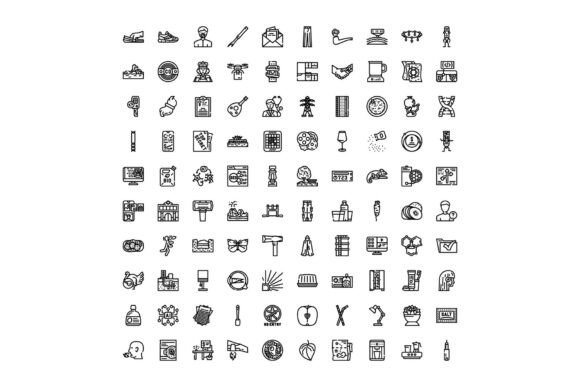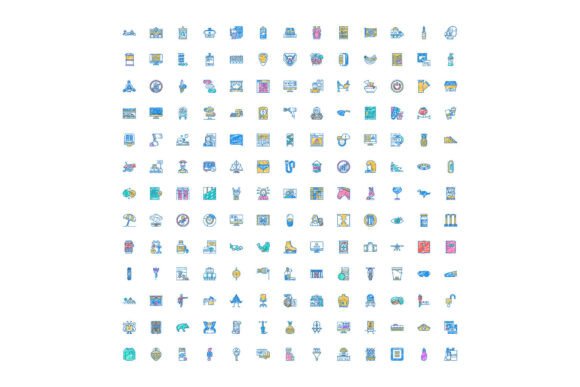
Embracing Creativity in Design: The Rise of the Diverse Collection of Doodle Style Unive
Introduction to the Doodle Style Revolution
In a digital landscape increasingly defined by visual storytelling and intuitive user experiences, designers and creators are constantly seeking fresh, expressive tools to stand out. Enter the Diverse Collection of Doodle Style Unive—a dynamic, expansive library of hand-drawn outline icons and doodles designed to reflect a wide array of concepts, activities, objects, and UI elements. This collection is not just an asset for web and mobile interfaces; it represents a broader shift in design philosophy, one that prioritizes authenticity, diversity, and emotional resonance.
What Makes the Doodle Style Unive Unique?
The Diverse Collection of Doodle Style Unive is more than a set of icons. It’s a carefully curated assembly of visual elements that capture the spontaneity and charm of hand-drawn art. Each icon and doodle is crafted to be versatile, scalable, and adaptable to a variety of design contexts, from mobile apps to website interfaces. The collection includes representations of people, nature, technology, abstract concepts, and everyday objects—all rendered in a doodle style that feels both approachable and modern.
Unlike rigid, geometric icon sets, these doodles carry a sense of personality and warmth. They are intentionally imperfect, embracing the quirks of human illustration to create a more relatable and engaging visual language. This aesthetic aligns perfectly with the current demand for authenticity in digital design, especially among brands and platforms aiming to connect with users on a more personal level.
Aligning with Broader Design and Technology Trends
The rise of the Diverse Collection of Doodle Style Unive is not an isolated phenomenon. It reflects several converging trends across the design, technology, and business sectors. One of the most notable is the growing emphasis on human-centered design. As digital interfaces become more sophisticated, there's a counter-movement toward simplicity and warmth—qualities that doodle-style graphics naturally embody.
In addition, the push for inclusivity and diversity in visual content has never been stronger. The Unive collection responds to this by offering a wide range of depictions across age, gender, ethnicity, ability, and lifestyle. This ensures that digital products and platforms can reflect the diversity of their audiences, fostering a sense of belonging and representation.
Moreover, the shift toward remote work and digital collaboration has increased the need for intuitive, visually engaging tools. Doodle-style icons help simplify complex concepts, making them easier to understand and more memorable. This is especially valuable in educational apps, productivity tools, and SaaS platforms where clarity and user engagement are paramount.
Why Designers and Businesses Are Paying Attention
There are several compelling reasons why the Diverse Collection of Doodle Style Unive is gaining traction among professionals, entrepreneurs, and creative teams:
- Visual Differentiation: In a crowded digital marketplace, standing out is essential. Doodle icons offer a unique alternative to the minimalist, flat design trends that have dominated recent years.
- Emotional Connection: Hand-drawn illustrations tend to evoke a sense of familiarity and trust, which can enhance user experience and brand perception.
- Flexibility: These icons are designed to be easily customizable and adaptable across platforms, making them ideal for both web and mobile applications.
- Scalability: Despite their organic look, the vector-based nature of the collection ensures that they remain crisp and clear at any size.
For startups and small businesses, the collection offers a cost-effective way to enhance their visual identity without the need for custom illustration. For larger enterprises, it provides a consistent and scalable design system that can be integrated across multiple touchpoints.
Meeting Evolving User Needs and Expectations
As user expectations evolve, so too must the tools and assets used to meet them. Today’s digital audiences are more visually literate and design-savvy than ever before. They expect interfaces to be not only functional but also emotionally engaging and aesthetically pleasing. The Diverse Collection of Doodle Style Unive addresses these expectations by offering a design language that is both expressive and intuitive.
Consider the rise of no-code and low-code platforms, which empower non-designers to build digital experiences. These platforms benefit greatly from visual assets that are easy to use and visually appealing. Doodle-style icons are particularly well-suited for such environments, as they can be quickly understood and applied by users with varying levels of design expertise.
Furthermore, the increasing integration of AI and automation in design workflows has highlighted the need for humanized visual elements. While AI can generate layouts and color schemes, it often lacks the nuance and emotional depth that hand-drawn illustrations provide. The Unive collection fills this gap, allowing designers to inject personality into their projects even when working within automated frameworks.
Practical Applications Across Industries
The versatility of the Diverse Collection of Doodle Style Unive makes it applicable across a wide range of industries and use cases. Here are a few examples:
- Educational Platforms: Visual learning is increasingly important in digital education. Doodle-style icons can simplify complex subjects, making them more accessible and engaging for students of all ages.
- Health and Wellness Apps: In an industry focused on empathy and care, doodle graphics can enhance the emotional tone of an app, making users feel more at ease and supported.
- Travel and Lifestyle Websites: These platforms often rely on evocative imagery to inspire users. Doodle illustrations can add a whimsical, exploratory feel that complements the adventurous spirit of travel content.
- Productivity Tools: Whether it’s a task manager or a collaborative workspace, doodle icons can make interfaces feel more approachable and less intimidating, encouraging regular use and engagement.
Each of these applications demonstrates how the collection supports not just aesthetic goals, but also strategic ones—enhancing usability, increasing engagement, and reinforcing brand values.
Looking Ahead: The Future of Doodle-Inspired Design
As the design industry continues to evolve, the demand for authentic, emotionally resonant visuals is unlikely to wane. The Diverse Collection of Doodle Style Unive sits at the intersection of several powerful trends: the return to handcrafted aesthetics, the emphasis on inclusivity, and the need for intuitive, human-centered interfaces.
Looking forward, we can expect to see doodle-style graphics becoming even more integrated into mainstream design practices. As tools become more sophisticated and AI-assisted design becomes more prevalent, the role of human touch in visual assets will only grow in importance. The Unive collection offers a ready-made solution that balances creativity with functionality, ensuring that designers can maintain authenticity without sacrificing efficiency.
Whether you're a seasoned UI/UX designer, a marketing professional, or a startup founder building your first app, the Diverse Collection of Doodle Style Unive provides a valuable toolkit for creating interfaces that are not only functional but also expressive and inclusive. In a world where attention spans are short and competition is fierce, having a design that stands out—and connects—can make all the difference.
Conclusion
The Diverse Collection of Doodle Style Unive is more than just a design asset; it's a reflection of the evolving relationship between technology, creativity, and human expression. By offering a rich, flexible, and emotionally engaging visual language, it empowers designers and creators to build experiences that resonate on a deeper level. As the digital world continues to expand and diversify, tools like this will play a crucial role in shaping the next generation of web and mobile interfaces.