Diverse Collection of Minimalist Line Art: A Visual Toolbox for Modern Design
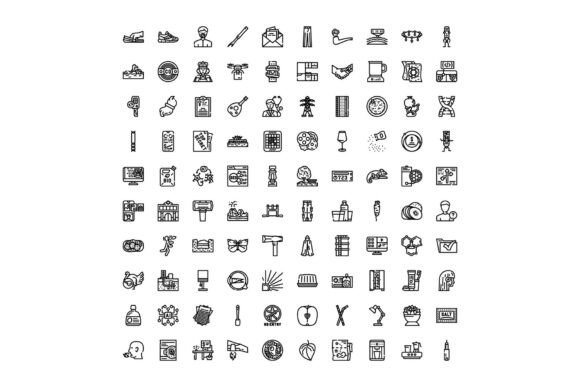
Designers, marketers, educators, and small business owners often find themselves in need of clean, adaptable visuals that communicate ideas clearly without overwhelming the viewer. The Diverse Collection of Minimalist Line Art meets this need by offering a large set of user interface elements and symbols across technology, nature, food, lifestyle, and business concepts. Whether you're building a website, designing a presentation, or creating print materials, this collection provides a flexible visual language that enhances clarity and engagement.
What Makes Minimalist Line Art Stand Out?
Minimalist line art strips visuals down to their most essential forms. It avoids complex shading or textures, focusing instead on clean outlines and simple shapes. This style is especially effective when you want to convey meaning quickly and subtly. The Diverse Collection takes this a step further by organizing a wide range of icons and illustrations into intuitive categories, making it easier to find the right visual for any message or context.
How It Supports Different Design Needs
One of the strongest features of this collection is its versatility. For example, a tech startup might use line art icons to represent different features in a mobile app, while a nutrition coach could incorporate food-themed illustrations into a digital meal planner. The same visual set can be applied across multiple formats—web, print, and mobile apps—without losing its effectiveness or visual consistency.
Real-World Use Cases Across Industries
- Website and App Development: UI designers often need scalable, lightweight icons that load quickly and adapt to different screen sizes. The minimalist line style ensures clarity even at small resolutions, making it ideal for navigation menus, buttons, and status indicators.
- Educational Materials: Teachers and course creators can use nature or technology-themed icons to break up dense content in slides or handouts. A lesson about ecosystems might use tree or animal illustrations, while a coding class could benefit from computer and network symbols.
- Marketing and Branding: Entrepreneurs launching a new product can use lifestyle or business-themed icons to visually represent value propositions. For example, a productivity app might feature clocks, calendars, and checklists in its promotional materials to reinforce key benefits.
- Print and Packaging Design: Minimalist line art translates well to physical products. A food brand might use simple fruit or vegetable illustrations on packaging, while a boutique could incorporate lifestyle icons into tags or labels.
Why It Works for Both Personal and Professional Projects
Freelancers, bloggers, and hobbyists can all benefit from this collection. If you're creating a personal blog about travel, nature-themed line art can help illustrate destinations and activities without overpowering your photos. A freelance designer building a portfolio site might use tech and business icons to categorize different types of work. Even small business owners who manage their own social media can use these visuals to enhance posts and stories with a professional touch.
Choosing the Right Elements for Your Project
When selecting from the Diverse Collection of Minimalist Line Art, consider the tone and purpose of your project. A playful lifestyle brand might lean toward rounded, soft-edged icons, while a corporate finance site would benefit from sharper, more structured visuals. Also, think about how the art will integrate with your existing design system—line art works best when it complements your typography, color scheme, and layout rather than competing with them.
Practical Tips for Implementation
- Match the style to your brand: If your brand uses a modern sans-serif font and a limited color palette, minimalist line art will likely feel at home. If your design is more ornate or vintage, you may need to adjust the line weight or add subtle textures.
- Use consistent sizing and spacing: Line art should be scaled uniformly to maintain visual harmony. Avoid mixing icons of vastly different sizes unless you're intentionally creating a layered effect.
- Test across platforms: What looks clean on a desktop site might appear too thin on a mobile screen. Always preview your visuals in different contexts to ensure readability and impact.
How It Enhances Communication Without Overcomplicating Design
One of the biggest advantages of minimalist line art is its ability to communicate without distraction. Unlike detailed illustrations or photographs, line art doesn’t pull attention away from text or other key elements. It acts as a subtle guide, helping users understand relationships between ideas or navigate interfaces more intuitively. This is especially valuable in digital environments where clarity and speed matter—like dashboards, instructional guides, or mobile apps.
Customization and Scalability
Because these illustrations are built from simple strokes, they’re easy to customize. Designers can change line thickness, color, or add animation without losing the original intent. This makes the collection scalable across both time and use cases. Whether you're updating a logo, redesigning a website, or expanding into new markets, the same set of visuals can evolve with your needs.
Final Thoughts: When and Why to Use This Collection
The Diverse Collection of Minimalist Line Art is more than just a set of icons—it's a practical toolkit for anyone who needs to communicate visually. Whether you're a digital marketer designing a campaign, a teacher creating engaging materials, or a developer building an app, this collection offers a way to enhance your work with clarity and consistency. It’s especially valuable when you need visuals that are fast to load, easy to modify, and adaptable across different media. By focusing on simplicity and usability, it helps you deliver messages more effectively—without the visual noise.