How a Large Collection of Diverse Isometric Pi Can Elevate Your Design Projects
Designers, developers, and content creators are constantly on the lookout for visual tools that streamline their workflow while enhancing the aesthetics of their projects. One such resource that has gained traction in recent years is the Large Collection of Diverse Isometric Pi. This set of isometric pictograms offers a versatile and scalable way to represent a wide range of concepts, from everyday objects to abstract ideas, all through a consistent visual language.
What Exactly Is a Large Collection of Diverse Isometric Pi?
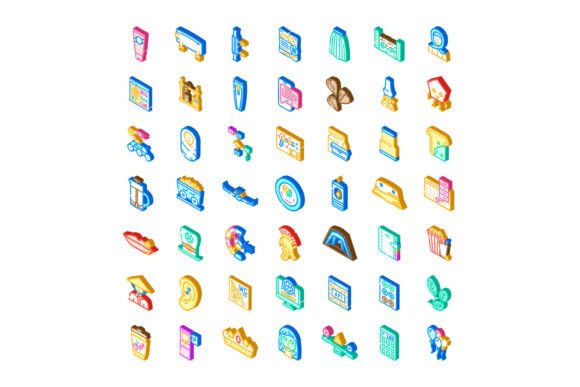
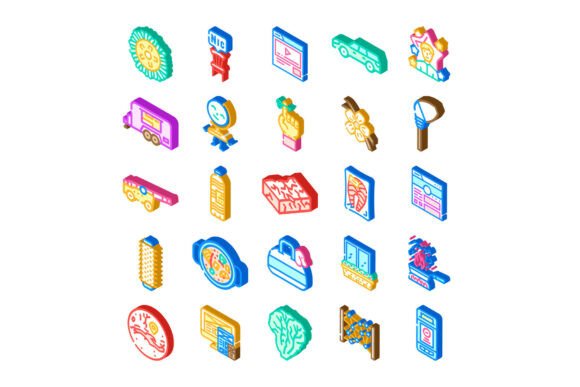
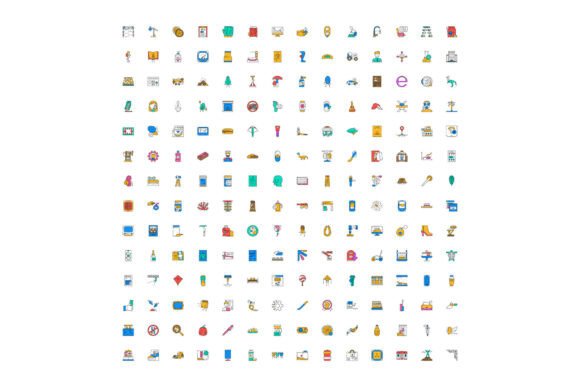
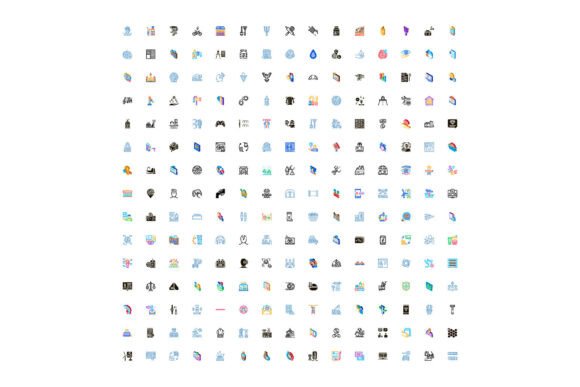
At its core, this collection is a library of vector icons drawn in an isometric perspective—a style that gives a 3D-like appearance while maintaining a flat, stylized form. These icons span multiple categories including technology, business, personal life, education, and more. Each icon is designed to work seamlessly with others in the set, making it easy to mix and match elements without worrying about visual inconsistency.
Whether you're designing a mobile app, a presentation, or a website, having access to a well-organized set of isometric pictograms can save time and improve the visual clarity of your content. These icons are not just decorative—they serve a functional purpose by helping users understand complex ideas quickly and intuitively.
Real-World Use Cases Across Industries
One of the strongest advantages of the Large Collection of Diverse Isometric Pi is its adaptability. Here are some practical examples of how different professionals can put it to use:
- Mobile App Developers: When building a new app, visual consistency is key. Instead of commissioning custom icons or piecing together different icon sets, developers can pull from this library to maintain a cohesive look across screens. For instance, a productivity app might use isometric icons for tasks, calendars, and reminders.
- Educators and Trainers: Presenting information in a visually engaging way helps learners retain knowledge. Teachers or instructional designers can use these icons in slides, handouts, or online learning platforms to illustrate concepts like time management, communication, or problem-solving.
- Entrepreneurs and Marketers: Landing pages, infographics, and marketing materials often rely on visuals to convey messages quickly. A startup explaining its business model might use isometric icons to depict customer flow, digital infrastructure, or team collaboration.
- Bloggers and Content Creators: Visuals break up text and make blog posts more digestible. Whether it's a post about productivity tools, lifestyle habits, or tech reviews, these icons help highlight key points and improve readability.
- UX/UI Designers: Consistent visual language is crucial in user interface design. Designers can use isometric icons to represent actions, features, or categories without overwhelming the user with too much detail.
Why This Collection Works So Well
What sets the Large Collection of Diverse Isometric Pi apart is its combination of variety and uniformity. Many icon sets suffer from inconsistency—some icons look modern, others outdated, and some may not match the tone of your project. This collection avoids that issue by maintaining a unified design language across all icons.
Additionally, because the icons are vector-based, they can scale to any size without losing quality. This makes them ideal for responsive web design, mobile apps, and print materials alike. Whether you're designing for a smartphone screen or a billboard, the visuals remain sharp and professional.
Another benefit is the ability to customize the icons. Since they're in vector format, you can easily change colors, tweak shapes, or combine elements to fit your brand identity. This flexibility means you're not locked into a rigid design system—you can adapt the icons to suit your specific needs.
When and Where to Use Isometric Icons
There are certain scenarios where isometric icons shine more than traditional flat or line icons. For example:
- Explaining Processes: If you're illustrating a workflow, sales funnel, or step-by-step guide, isometric icons can help visualize each stage in a more engaging way.
- Enhancing Dashboards: Data-heavy interfaces like analytics dashboards or admin panels benefit from visual cues. Isometric icons make it easier to identify functions at a glance.
- Designing Landing Pages: A strong visual hierarchy helps guide the user's attention. Using isometric icons as focal points can make your key features stand out.
- Creating Presentations: Whether you're pitching to investors or presenting at a conference, isometric icons add visual interest and clarity to your slides.
- Building Educational Materials: Complex subjects become more approachable when broken down with visuals. Students or learners can grasp abstract ideas faster with the help of well-designed pictograms.
What to Consider Before Using This Collection
While the Large Collection of Diverse Isometric Pi offers many benefits, it's important to approach its use thoughtfully. Here are a few considerations:
- License Type: Make sure you understand the licensing terms before using the icons in commercial projects. Some collections allow for broad usage, while others may require attribution or limit redistribution.
- File Formats: Check if the icons are available in the formats you need—typically SVG, PNG, and sometimes AI or EPS. SVG is ideal for web use due to its scalability and small file size.
- Customization Needs: If your brand uses a specific color palette or requires unique icon variations, verify whether the collection allows for easy customization without compromising quality.
- Compatibility: Ensure the icons integrate well with your existing design tools and frameworks. Most vector icons work seamlessly with design software like Adobe Illustrator, Figma, or Sketch.
- Visual Consistency: While the collection is designed to be cohesive, always preview icons together to ensure they maintain a consistent tone and style within your project.
Getting the Most Out of Your Icon Set
Once you've selected the Large Collection of Diverse Isometric Pi, the next step is integrating it effectively into your workflow. Here are a few tips to help you make the most of it:
- Organize Your Icons: Keep your icons well-organized by category or usage. This makes it easier to find what you need quickly, especially when working on time-sensitive projects.
- Create a Style Guide: If you're working with a team or across multiple platforms, establish a design system that includes icon usage guidelines. This ensures consistency across all your materials.
- Use Icons Strategically: Don't overdo it. Icons should enhance your message, not distract from it. Use them where they add the most value—like highlighting key features or simplifying complex processes.
- Stay Updated: Some icon sets receive regular updates with new additions. Make sure to check for updates periodically to keep your visuals fresh and relevant.
- Test for Accessibility: Ensure your icons are accessible to all users, including those with visual impairments. Use high-contrast colors and consider adding text labels where necessary.
Final Thoughts
The Large Collection of Diverse Isometric Pi is more than just a set of icons—it's a practical design tool that can elevate your digital and print materials alike. Whether you're a developer, educator, marketer, or designer, having access to a well-crafted, scalable, and versatile icon set can make a real difference in how your content is perceived.
By understanding the strengths of isometric design and knowing when and how to apply these icons, you can create visuals that are not only more engaging but also more effective in communicating your message. And in a world where attention spans are short and visuals speak louder than words, that’s a powerful advantage.